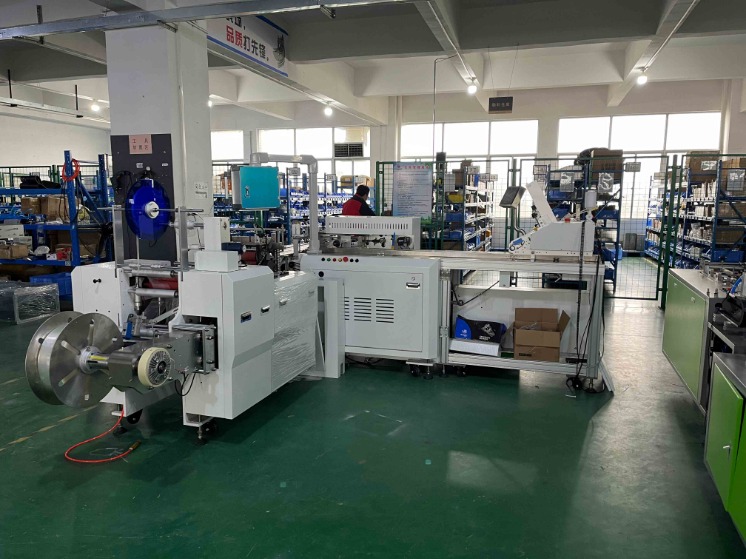
Modern packaging machinery manufacturers are redesigning equipment through AI inspection, robotics, modular structures, and energy-saving systems. By 2030, the global packaging machinery market is expected to surpass USD 65 billion, with smart technologies improving production accuracy by 10–30% and reducing unplanned downtime by up to 50%.
Packaging machinery design has changed significantly as manufacturers respond to faster production cycles, stricter quality standards, and demand for more sustainable materials. In 2024, the global packaging machinery market was valued at more than USD 50 billion, and food, beverage, pharmaceutical, and personal care industries accounted for a large share of equipment investment.
Modern machines are no longer built only around mechanical speed. Manufacturers now combine automation, software control, sensors, and data analysis to improve reliability and flexibility. A packaging line installed in a large manufacturing plant may include hundreds of sensors measuring temperature, pressure, vibration, and positioning accuracy during operation.
"Packaging equipment is becoming a connected production system where mechanical engineering and digital technologies work together."
This change has increased demand for intelligent automation. Packaging machinery manufacturers are adding programmable logic controllers, industrial computers, and vision inspection systems to reduce manual adjustments. Machine vision cameras can inspect sealing quality, label placement, and package appearance at production speeds above 300–600 products per minute, with inspection accuracy often exceeding 98%.
Artificial intelligence is also being used to analyze production data and identify abnormal conditions. In many manufacturing environments, AI-based monitoring systems can reduce equipment downtime by approximately 20–40% by identifying early signs of component wear.
The improvement of automation has created new requirements for machine flexibility. Traditional packaging equipment often required mechanical replacement when switching between product sizes. Modern designs use modular components and software-based settings to shorten format changes.
For example, automated adjustment systems allow operators to change package dimensions, filling volumes, and sealing parameters through digital interfaces. Some advanced systems can complete product changeovers within 15–30 minutes instead of several hours required by older equipment.
This demand for flexible production has also influenced global manufacturing competition. Companies searching for suppliers may compare different equipment providers, including specialized manufacturers such as a China packaging equipment factory, European engineering companies, and North American automation suppliers based on machine accuracy, service capability, and customization options.
Sustainability has become another major factor in packaging machinery development. Regulations in Europe and North America have increased demand for equipment that can process recyclable films, paper-based packaging, and lightweight materials.
Packaging machinery manufacturers are redesigning heating systems, sealing units, and material feeding mechanisms to handle thinner and more environmentally friendly packaging materials. In some applications, improved temperature control and servo systems can reduce energy consumption by 15–30%.
Energy efficiency is also improved through servo motor technology. Older mechanical systems often use constant-speed motors, which consume energy even when production requirements change. Servo systems adjust movement according to real-time production needs, improving positioning accuracy and reducing unnecessary power consumption.
A modern servo-controlled packaging machine can achieve positioning accuracy within fractions of a millimeter while maintaining stable operation at high speeds. This technology is widely used in filling machines, wrapping machines, labeling systems, and automated assembly equipment.
The use of robotics has expanded rapidly in packaging operations. Industrial robots are now common in palletizing, sorting, case packing, and material handling applications. According to industrial automation reports, robot installations in manufacturing have increased significantly since 2019, with packaging being one of the major application areas.
Collaborative robots are also becoming more common because they can operate near workers without large safety barriers. These systems are suitable for smaller production lines that require frequent product changes and lower-volume manufacturing.
"Robotic packaging systems help manufacturers combine automation speed with production flexibility."
Digital twin technology is another area influencing equipment design. Manufacturers create virtual models of machines to simulate operation before building physical equipment. Engineers can test motion systems, energy usage, and production performance during the design stage.
This approach can reduce machine development time and improve commissioning efficiency. In complex packaging lines, digital simulation can identify design problems before installation, helping manufacturers reduce modification costs.
Data connectivity is also changing maintenance practices. Packaging machines equipped with Industrial Internet of Things technology can send operational information to cloud platforms for analysis. Production managers can review machine performance, maintenance schedules, and energy consumption through remote dashboards.
Predictive maintenance systems are becoming more common because unexpected machine failures can interrupt production schedules. Industry studies show that data-based maintenance programs can reduce unplanned downtime by 25–50% and extend equipment service intervals.
The pharmaceutical and food industries have additional requirements for hygiene and safety. Packaging machinery used in these sectors often requires stainless-steel structures, easy-clean surfaces, controlled sealing environments, and automated inspection systems.
Manufacturers are improving machine designs with fewer contact points, better material flow systems, and automated cleaning features. These improvements help companies meet international standards such as FDA requirements and European food safety regulations.
Cybersecurity has also become part of modern packaging machinery design. As more machines connect to factory networks, manufacturers need to protect control systems from unauthorized access. New equipment increasingly includes secure communication protocols and user access management.
The future development of packaging machinery will continue to focus on automation, sustainability, and adaptability. Equipment manufacturers are investing in artificial intelligence, robotics, energy-efficient components, and connected production systems to meet changing industrial requirements.
By combining mechanical engineering with digital technologies, modern packaging machines can achieve higher production speeds, better quality control, and lower resource consumption. The companies that continue improving equipment design will remain competitive as global manufacturers demand smarter and more efficient packaging solutions.