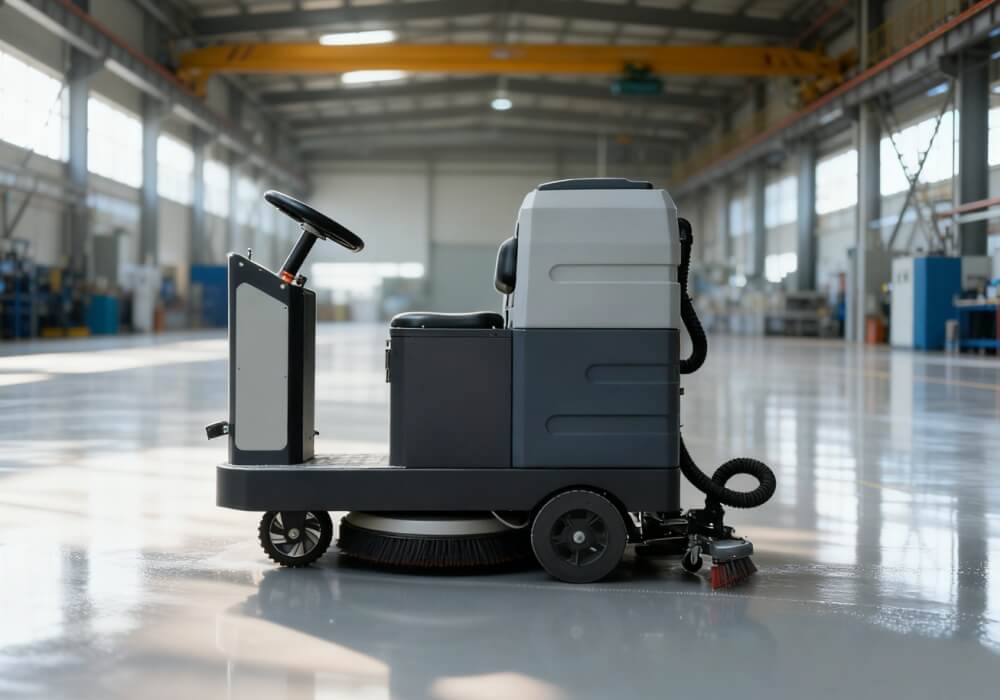
Selecting the right cleaning equipment for hotel lobbies and corridors requires matching machine type with floor material, traffic volume, and daily operating conditions. A professional hotel floor scrubber machine can reduce cleaning time by around 30%–60% compared with traditional manual methods, while improving water recovery and surface consistency. Hotels should compare cleaning width, battery runtime, noise level, maintenance needs, and floor compatibility before purchasing equipment.
Hotels operate under strict cleanliness expectations because lobbies and corridors receive continuous guest movement. A property with 200–500 rooms may experience thousands of daily footsteps across public areas, creating dust, spills, footprints, and surface marks within a short period. Cleaning equipment must provide reliable results while allowing housekeeping teams to work around guests, furniture, and changing schedules.
Large lobby spaces often benefit from automatic scrubber dryers because they combine brushing, water distribution, and suction in one process. Commercial machines with a cleaning path of 50–70 cm are commonly used in medium and large hotels, offering a practical balance between coverage and movement flexibility. Depending on floor conditions and operator speed, some models can cover several thousand square meters per hour.
The selection process starts with understanding the flooring materials used throughout the property. Hotels rarely use one single surface type, so equipment requirements can change between reception areas, restaurants, elevators, and guest room corridors.
| Hotel area | Common flooring | Suitable equipment |
|---|---|---|
| Lobby entrance | Marble, granite, stone tile | Scrubber dryer with soft pads |
| Reception area | Polished stone, ceramic tile | Compact scrubber machine |
| Guest corridors | Carpet, vinyl, stone | Carpet extractor or small scrubber |
| Meeting spaces | Wood-look flooring, vinyl | Low-pressure cleaning machine |
Marble and natural stone floors require careful cleaning because appearance quality is closely related to surface maintenance. Excessive brush pressure or unsuitable cleaning pads may reduce gloss over time. Many hotels schedule polishing and deep cleaning procedures several times per year, while daily cleaning focuses on removing dust, marks, and liquid spills without damaging the finish.
Different flooring requirements influence machine design, especially brush pressure and water control. Ceramic tiles usually tolerate stronger mechanical cleaning because dirt can collect inside grout lines. Vinyl flooring requires controlled pressure because aggressive cleaning may affect surface coatings. Carpet corridors need extraction systems because dirt particles can remain inside fibers even after normal vacuuming.
A machine designed for industrial warehouses is not always suitable for hotels because hotel cleaning requires both performance and controlled operation.
Traffic patterns also affect equipment selection. A hotel lobby near an entrance, restaurant, or conference area may require cleaning multiple times per day, while upper-floor corridors may need fewer cleaning cycles. A 2024 hospitality maintenance survey reported that high-traffic public areas commonly receive daily cleaning schedules, with some properties cleaning entrance zones several times during peak periods.
Machine productivity depends on several technical specifications:
-
Cleaning width: wider brushes cover more area but may reduce flexibility in narrow spaces.
-
Battery capacity: longer runtime allows larger areas to be cleaned without interruption.
-
Recovery tank size: larger tanks reduce emptying frequency.
-
Noise output: lower operating noise supports daytime cleaning.
-
Machine dimensions: compact designs improve movement around furniture and corners.
Battery technology has also changed hotel cleaning operations. Lithium-ion powered machines have become more common because they provide stable performance and shorter charging periods. Depending on battery capacity and workload, many commercial units can operate for 2–5 hours per charge. Compared with older battery systems, lithium-ion options generally offer longer service life and reduced maintenance requirements.
Noise control is especially important in hotels because cleaning often occurs while guests are present. Equipment operating above normal conversation levels may affect guest comfort in reception areas and corridors. Manufacturers increasingly focus on quieter motors, improved suction systems, and optimized brush mechanisms to reduce disturbance during daytime operation.
The size of the machine should match the physical layout of the hotel. A ride-on scrubber may improve efficiency in a 1,000-square-meter ballroom or large lobby, but it may not fit narrow corridors or crowded reception areas. Smaller walk-behind models are often preferred for locations with limited space because operators can easily move between furniture, doorways, and decorative structures.
Carpeted corridors require another type of cleaning method because carpets collect fine particles, hair, and liquid stains. Carpet extractors spray cleaning solution into fibers and remove moisture through suction. Hotels must control drying time because wet carpets can affect guest movement and room access. High-efficiency water recovery systems help shorten drying periods and reduce disruption.
Maintenance planning should be considered before purchasing any cleaning machine. Hotels usually operate cleaning equipment frequently, sometimes every day of the year, so parts such as brushes, filters, batteries, and suction components require regular inspection.
| Maintenance item | Recommended check frequency |
|---|---|
| Brush condition | Weekly or according to usage |
| Recovery tank cleaning | After each operation |
| Filter inspection | Weekly |
| Battery condition | Monthly |
| Machine service review | Every 6–12 months |
A machine with simple maintenance procedures can reduce downtime and keep housekeeping schedules stable. Operators should receive basic training on water adjustment, brush replacement, charging procedures, and daily cleaning routines. Incorrect operation can increase wear and reduce cleaning performance.
Water consumption is another factor for hotels reviewing equipment options. Modern scrubber dryers recycle cleaning efficiency by collecting used water instead of leaving large amounts of moisture on floors. Some commercial systems reduce water usage compared with traditional mop-based cleaning methods, especially when used across large public areas.
When comparing equipment suppliers, hotel managers should review more than the purchase price. Important factors include service availability, replacement part supply, warranty coverage, operator training, and expected operating costs over several years. A lower-cost machine may require more frequent repairs, while a more durable model may provide more stable daily performance.
Many hotels use a combination of machines instead of relying on one universal solution. A large property may use ride-on scrubbers for open lobby areas, compact scrubbers for corridors, carpet extractors for textile surfaces, and polishing machines for stone maintenance. This approach allows each area to receive suitable treatment according to its material and usage level.
Before purchasing, managers can compare equipment through several practical questions:
-
How many square meters require daily cleaning?
-
What flooring materials are installed in each area?
-
Can the machine operate during guest hours?
-
How long can the battery support normal cleaning schedules?
-
Is maintenance simple enough for housekeeping staff?
-
Are replacement parts and technical support available?
The right machine selection helps hotels maintain consistent public-area appearance while improving housekeeping efficiency. Equipment should match the property layout, floor materials, and cleaning frequency rather than being chosen only by size or power. For hotels managing busy lobbies and corridors, selecting a suitable machine type can improve cleaning consistency and reduce the time required for daily maintenance. For more details on suitable equipment options, hotels can review professional solutions such as hotel floor scrubber machine designed for hospitality environments.