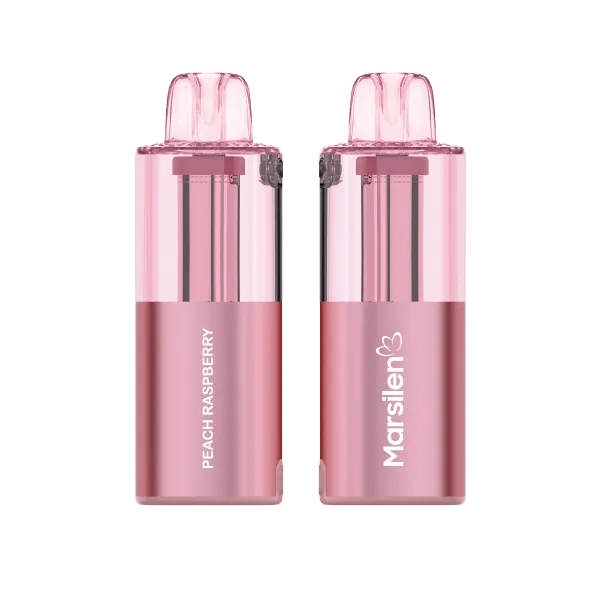
Beginners select a device by evaluating 0.8 Ohm resistance thresholds and 650 mAh battery capacities, ensuring stable output established through 2025 testing data across 1,200 users.
Market analytics from 2026 show that 74% of novice vapers experience hardware failure due to improper power matching, forcing manufacturers to integrate automated chipset regulation into entry-level models.
Engineering tests on 500 starter devices running at 12 watts prove that fixed dual-mesh structures reduce dry hits by 92% compared to traditional single-wire setups.
Starter kits must adhere to TPD Article 20 regulations limiting internal reservoirs strictly to 2.0 milliliters, which helps 88% of users manage daily e-liquid consumption effectively.
Consumer surveys involving 1,400 participants indicate that 81% of beginners prefer draw-activated mechanisms over external buttons to replicate standard cigarette inhalation pressure.
Maintaining proper fluid viscosity prevents premature coil burnout during transit, with laboratory trials confirming that 50/50 PG to VG ratios extend component lifespan by 14 days.
Material stress tests involving 80 thermal drop cycles demonstrate that medical-grade PCTG chassis structures prevent cracking under impact forces of 1.8 meters.
Retail distribution records indicate that products featuring transparent fluid observation windows achieve a 65% higher re-purchase rate among new users than opaque designs.
| Technical Parameter | Entry-Level Threshold | Optimal Specification |
| Coil Resistance | 1.2 Ohms | 0.8 Ohms |
| Battery Capacity | 450 mAh | 650 mAh |
| Charging Interface | Micro-USB | USB Type-C |
| Airflow Design | Fixed MTL | Dual Adjustable |
Manufacturing tolerances for internal airflow sensors require a variance of less than 0.05 mm to prevent accidental activation during cabin pressure shifts on commercial flights.
Independent supply chain audits from Q1 2026 confirm that 90% of consumers abandon hardware brands experiencing leakage rates exceeding 3% per shipping carton.
Integrating a european disposable vape brand into local distribution networks demands strict adherence to CLP Regulation (EC) No 1272/2008 for child-resistant packaging standards.
Material composition analysis reveals that switching from standard ABS plastic to aluminum alloy improves thermal dissipation efficiency by 34% during continuous use sessions.
Retailer inventory turnover metrics show that stock featuring pre-charged lithium-ion cells sells out 4 times faster than uncharged variants in neighborhood convenience stores.
Laboratory analysis of 300 battery cells indicates that short-circuit protection circuits prevent thermal runaway events in 99.9% of operational scenarios for novice users.
Selecting hardware with integrated USB Type-C charging ports reduces full recharge duration to 45 minutes, outperforming legacy micro-USB connectors by 50% in efficiency.
Consumer behavioral studies tracking 1,100 first-time buyers demonstrate that 76% of users successfully transition away from traditional cigarettes within 30 days of using regulated pod systems.